Y2K Graphic Design Shape: Evaluating Vector Resources for Modern Streetwear
The resurgence of turn-of-the-millennium aesthetics has moved beyond fleeting internet trends to become a staple in contemporary urban fashion. For designers and brand owners, the Y2K graphic design shape represents a specific visual language characterized by futuristic optimism, digital primitivism, and bold geometry. Unlike organic or minimalist design movements, Y2K shapes rely on distinct structural elements: chrome textures, liquid metal forms, tribal-inspired sharp angles, and cybernetic grids. Understanding these shapes is essential before investing in asset libraries, as the quality of the underlying vector geometry determines the longevity and printability of the final merchandise.
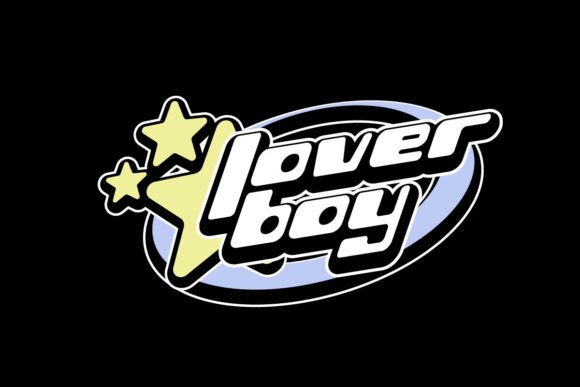
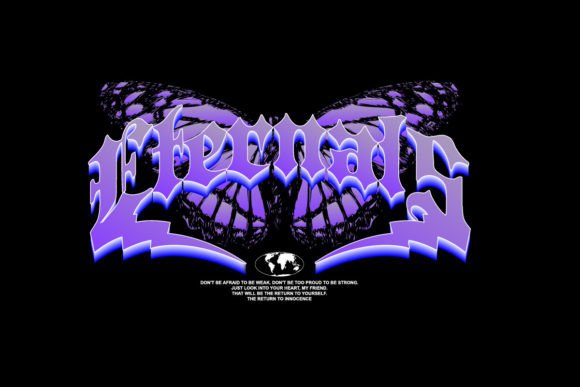
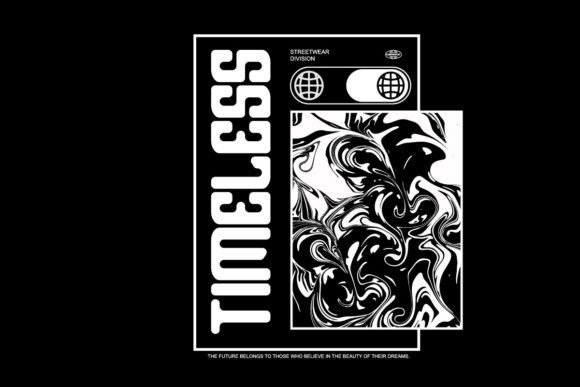
When sourcing assets for custom printed clothing or streetwear collections, professionals must distinguish between genuine Y2K graphic design shapes and generic retro clip art. True Y2K aesthetics are defined by their relationship with early digital technology. The shapes often mimic 3D rendering artifacts, pixelated gradients, and the glossy interfaces of late-90s software. When evaluating a collection of 100 vector source files in EPS format, the primary criterion should be geometric integrity. High-quality assets maintain clean anchor points and smooth curves even when scaled for large-format sublimation, whereas lower-quality alternatives may exhibit jagged edges or flattened effects that fail during production.
Distinguishing Authentic Y2K Geometry from Retro Alternatives
A common challenge in this niche is differentiating Y2K graphic design shapes from adjacent styles like 90s grunge, vaporwave, or modern neo-brutalism. While these styles share an audience, their technical construction differs significantly. Grunge relies on raster-based distress and noise, which can degrade when resized. Vaporwave often utilizes classical sculpture combined with pastel gradients, focusing more on collage than scalable shape design. In contrast, Y2K is inherently vector-native. The aesthetic was born from vector illustration tools and early 3D modeling, making it uniquely suited for EPS manipulation.
For streetwear brands comparing options, this distinction impacts workflow efficiency. If your goal is to create modular designs where elements can be rearranged, recolored, or integrated into new compositions, Y2K graphic design shapes offer superior flexibility. A well-constructed vector pack allows you to isolate a chrome starburst or a tribal flame without carrying over background artifacts. Conversely, pre-rasterized alternatives lock you into fixed dimensions and color palettes. When assessing a ZIP archive of design resources, verify that the EPS files contain editable paths rather than embedded images. This ensures the "transform, scale up/down, add/remove elements" capability promised by the vendor is technically feasible within standard vector graphics software.
Technical Evaluation of Vector Assets for Merchandise
The practical value of any streetwear t-shirt design collection lies in its production readiness. Y2K graphic design shapes are frequently complex, utilizing multiple layers to simulate metallic reflections and depth. When comparing different asset packs, consider how these complexities translate to physical media. Sublimation printing, DTG (Direct-to-Garment), and screen printing all have different tolerances for detail and color separation.
- Scalability Without Quality Loss: Authentic vector Y2K shapes allow for infinite scaling. This is critical for brands offering diverse product ranges, from small chest prints to oversized back graphics. Raster-based competitors cannot match this versatility.
- Color Customization: Y2K aesthetics often feature specific silver, blue, and neon palettes. Editable EPS files enable global recoloring to match seasonal brand guidelines. Pre-colored PNGs or JPEGs require tedious manual masking to achieve similar results.
- Element Modularity: High-value collections separate foreground shapes from background textures. This modularity allows designers to mix Y2K graphic design shapes with typography or photography, creating unique hybrids rather than relying solely on stock arrangements.
- File Format Versatility: While EPS is the industry standard for vectors, the inclusion of high-resolution JPGs serves a dual purpose: quick mockup generation and reference for color accuracy during the vector editing process.
Designers should also evaluate the organization of the compressed ZIP format. A collection containing 100 vector source files requires logical naming conventions and categorization. Poorly organized assets negate the time-saving benefits of purchasing pre-made shapes. Before committing to a resource, review sample previews to ensure the Y2K graphic design shapes align with current market expectations rather than outdated interpretations of the era.
Strategic Fit: When to Use Pre-Made Shapes vs. Custom Illustration
While acquiring a library of Y2K graphic design shapes accelerates production, it is not universally the correct solution. Decision-makers must weigh the tradeoffs between speed and exclusivity. Pre-made vector collections excel in rapid prototyping, capsule collections, and merchandise lines requiring high volume and varied outputs. They provide a foundational vocabulary that can be remixed extensively. However, for flagship brand identity pieces or limited-edition releases where uniqueness is paramount, custom illustration may be necessary to avoid visual overlap with other users of the same asset pack.
A balanced approach often yields the best ROI. Use the acquired Y2K graphic design shapes as structural scaffolding—background elements, borders, and decorative accents—while commissioning or creating original central illustrations. This hybrid methodology leverages the technical perfection and aesthetic consistency of professional vector packs while maintaining brand distinctiveness. Furthermore, because these files are fully editable, they serve as excellent learning tools. Junior designers can deconstruct the EPS files to understand how complex chrome effects and tribal geometries are built, improving internal team capabilities over time.
Comparing Digital Asset Formats for Streetwear Production
Not all digital design resources are created equal. When researching alternatives to vector-based Y2K graphic design shapes, you will encounter various formats, each with specific limitations for apparel manufacturing.
- Raster Packs (PNG/PSD): Often cheaper and visually impressive at thumbnail size, these lack scalability. They are suitable for web use or fixed-size prints but problematic for brands needing to adapt a single design across hoodies, tees, and accessories. Transparency issues and edge halos are common friction points.
- AI-Generated Imagery: Emerging as a popular alternative, AI tools can generate Y2K-style visuals instantly. However, current AI outputs are predominantly raster and often contain anatomical or geometric inconsistencies that require significant manual cleanup. They lack the clean topology of hand-crafted EPS vectors, making them less ideal for professional cut-and-sew or precise screen printing separations.
- Vector Source Files (EPS/AI): The gold standard for merchandise. The ability to manipulate individual nodes, adjust stroke weights, and separate color channels makes Y2K graphic design shapes in this format superior for production. The initial investment is typically higher, but the long-term utility and adaptation potential justify the cost for serious brands.
For those focused on sublimation specifically, vector sources offer additional advantages. Sublimation ink responds well to crisp edges and vibrant, flat colors or smooth gradients—all strengths of proper Y2K vector construction. Raster artifacts or compression noise, common in non-vector alternatives, can become visible defects after the heat transfer process. Ensuring your source files are true vectors mitigates this risk.
Making an Informed Resource Selection
Ultimately, the decision to utilize a Y2K graphic design shape collection should be driven by production requirements and brand positioning. Evaluate potential resources against three core metrics: technical editability, aesthetic authenticity, and licensing flexibility. Verify that the EPS files open correctly in your preferred software (Adobe Illustrator, CorelDRAW, Affinity Designer) and that layers are logically structured. Confirm that the visual style matches the specific sub-genre of Y2K relevant to your audience, whether that is cyberpunk, mall goth, or futuristic sportswear.
Remember that these assets are starting points, not finished products. The value proposition of obtaining 100 vector source files lies in the creative latitude they provide. By treating Y2K graphic design shapes as modular components rather than static templates, brands can produce cohesive, high-quality streetwear collections efficiently. Whether you are launching a new label or expanding an existing merchandise line, prioritizing editable vector formats over static alternatives ensures your designs remain adaptable, scalable, and production-ready in a fast-moving market. Always extract and inspect the ZIP contents immediately upon acquisition to validate file integrity and organize assets before beginning the design phase.