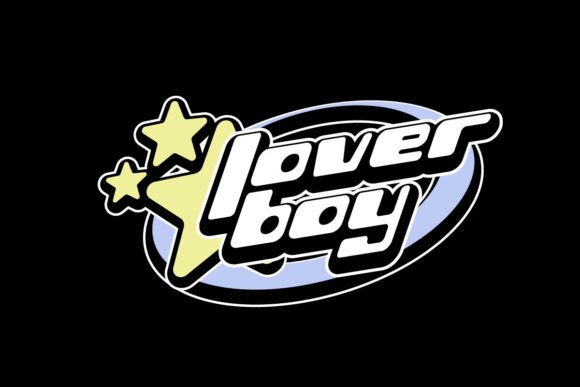
Revitalizing Urban Fashion: Leveraging Y2K Streetwear Graphic Design Ideas for Modern Merchandise
The cyclical nature of fashion has brought the turn of the millennium back into sharp focus, but this resurgence is far more than simple nostalgia. For professionals, creators, and entrepreneurs in the apparel industry, Y2K streetwear graphic design ideas represent a sophisticated intersection of retro aesthetics and contemporary digital culture. This aesthetic is not merely about replicating the past; it is about reinterpreting the optimistic futurism, cyber-digital experimentation, and bold typography of the late 1990s and early 2000s for a modern consumer base that values authenticity and visual distinctiveness.
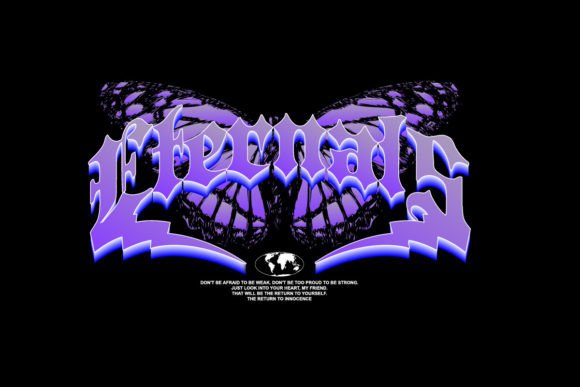
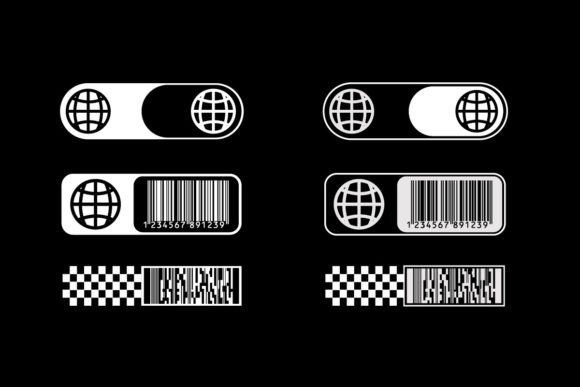
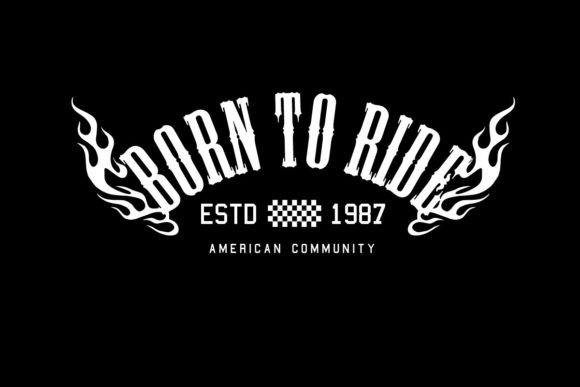
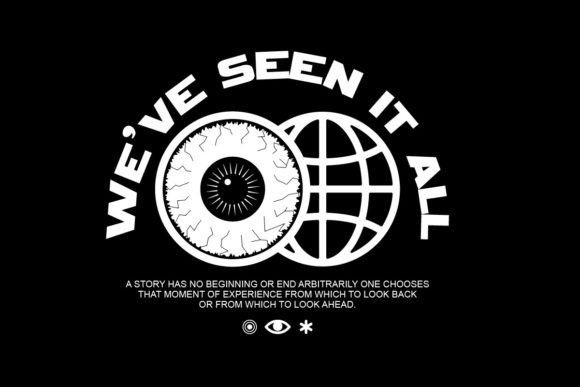
As the market becomes increasingly saturated with generic minimalism, there is a unique and aesthetic urban streetwear design collection emerging that serves as a perfect catalyst for creating custom printed clothing and establishing new streetwear fashion brands. These designs are currently capturing significant attention because they bridge the gap between vintage appeal and modern production capabilities. Understanding how to leverage these assets effectively requires looking beyond the surface-level trends and examining the broader industry shifts, technological workflows, and consumer psychology driving this movement.
The Cultural and Market Resonance of Y2K Aesthetics
To understand why Y2K streetwear graphic design ideas are dominating current market conversations, one must recognize the cultural context. The original Y2K era was defined by a fascination with technology, the internet, and a utopian vision of the future. Today’s iteration blends that original optimism with the irony and hyper-awareness of Gen Z and Millennial consumers. This demographic does not just want clothing; they seek wearable artifacts that signal membership in a specific cultural niche.
From a business perspective, this aesthetic aligns perfectly with the current demand for "drop culture" and limited-edition merchandise. The visual language of Y2K—characterized by chrome textures, tribal tattoos, futuristic fonts, and glitch art—is inherently shareable on social platforms. It stops the scroll. For marketers and brand owners, utilizing high-quality vector sources files allows for rapid iteration. You can test different colorways or slogan variations without compromising the core artistic integrity of the design. This agility is essential in an industry where trend cycles have accelerated from seasons to weeks.
Furthermore, the relevance of these designs extends to the changing expectations of quality. Consumers are becoming increasingly discerning about print fidelity. They can distinguish between a pixelated raster image and a crisp, professional vector print. By focusing on extraordinary “Streetwear T-shirt Designs” that are rooted in scalable vector graphics, brands signal a commitment to quality that elevates their perceived value in a crowded marketplace.
Technical Versatility in Modern Design Workflows
The practical application of these design collections lies in their technical flexibility. In the past, acquiring vintage-style graphics often meant dealing with low-resolution scans or locked files that were impossible to modify. The current standard for professional merchandise creation demands editability. When you access a comprehensive collection containing 100 vector source files in EPS formats, you are essentially acquiring a modular design system rather than static images.
This distinction is critical for freelancers and in-house designers who need to adapt assets for various applications. Vector graphics allow you to transform, scale up or down, add or remove elements, and recolor artwork without losing quality. This capability is non-negotiable for businesses that operate across multiple product categories. A graphic that looks exceptional on a heavyweight cotton t-shirt may need resizing and simplification for a tote bag or a complex all-over print sublimation project. The ability to manipulate these files in any vector graphics software ensures that the design remains sharp whether it is printed at two inches or twenty feet.
Moreover, the inclusion of high-resolution JPG files alongside the EPS vectors provides immediate utility for mockups, social media teasers, and e-commerce listings. This dual-format approach streamlines the workflow from concept to sales floor, reducing the friction that often delays product launches. For entrepreneurs managing tight deadlines, having a ZIP format archive of ready-to-edit assets means less time spent drawing basic shapes and more time spent on creative direction and brand storytelling.
Strategic Applications for Custom Printed Clothing
The true power of Y2K streetwear graphic design ideas is realized when they are applied strategically to merchandise. It is not enough to simply slap a retro graphic onto a blank canvas. Successful brands use these assets as foundational elements to build cohesive narratives. Below are several practical approaches to integrating these designs into a professional product line:
- Sublimation and All-Over Prints: Because the provided files are vector-based, they are ideal for dye-sublimation printing. Unlike screen printing, which has limitations on color gradients and coverage, sublimation allows for edge-to-edge printing. Designers can take a single Y2K graphic, scale it massively, and create immersive patterns that cover entire garments. This technique is particularly effective for activewear and summer collections where lightweight, breathable fabrics are preferred.
- Mixing Eras for Novelty: While the core aesthetic is Y2K, the most successful modern designs often incorporate contemporary elements. Use your vector editing software to combine retro chrome typography with modern minimalist iconography or current slang. This juxtaposition creates a sense of timelessness that prevents the merchandise from looking like a costume.
- Colorway Variations for Seasonal Drops: One of the greatest advantages of editable vector files is the ease of recoloring. A single strong graphic can be adapted for multiple seasonal releases. Shift the palette to neon greens and silvers for a winter cyber-aesthetic, or warm oranges and faded blues for a summer nostalgia drop. This maximizes the ROI on each design asset while keeping the catalog fresh.
- Typography as the Hero: Y2K design is heavily typographic. Utilize the included text elements to create statement pieces where the message is the primary visual hook. Since these are vectors, you can adjust kerning, warp text, and apply effects that would be destructive in raster programs, ensuring the text remains legible and impactful at any size.
Navigating File Management and Production Standards
For professionals handling large volumes of assets, organization is as important as creativity. The fact that these files are compressed in one ZIP format requires a disciplined extraction and filing protocol. Upon downloading, it is best practice to immediately extract the files and organize them into categorized folders based on theme, color, or intended garment type. This initial setup saves countless hours during the production phase.
When preparing these files for print, always verify the color profile. While EPS files are versatile, different printers prefer CMYK for physical merchandise and RGB for digital previews. The ability to recolor within the vector software means you can maintain separate master files for web and print, ensuring color accuracy across all touchpoints. Additionally, because these designs are intended for t-shirt sublimation and other merchandise, pay close attention to bleed areas and safe zones during the scaling process. The infinite scalability of vectors eliminates resolution anxiety, but it does not replace the need for precise layout planning.
Future-Proofing Your Brand with Editable Assets
The decision to invest in a collection of 100 vector source files is ultimately a decision about long-term brand sustainability. Trends fade, but a library of high-quality, editable assets remains a permanent resource. As Y2K streetwear graphic design ideas evolve into the next iteration of digital fashion, having the source files allows your brand to pivot seamlessly. You are not locked into a specific moment in time; you possess the building blocks to adapt to whatever comes next.
This forward-looking approach also applies to licensing and intellectual property. Owning the vector sources grants you the freedom to trademark specific adaptations of the designs, creating proprietary visual assets that competitors cannot legally replicate. In an era where fast fashion constantly copies independent designers, having deep control over your graphic assets through editable vectors provides a layer of protection and exclusivity.
Ultimately, the convergence of nostalgic aesthetics and modern vector technology offers a unique opportunity for creators. Whether you are launching a new streetwear label, expanding a freelance portfolio, or refreshing an established brand’s merchandise line, these tools provide the necessary foundation. They allow for the rapid prototyping, high-fidelity production, and creative flexibility that define success in today’s apparel industry. By treating these graphic design ideas not just as decoration, but as strategic business assets, professionals can create products that resonate deeply with contemporary audiences while maintaining the operational efficiency required to scale.
The availability of these extraordinary “Streetwear T-shirt Designs” marks a shift toward more accessible, professional-grade resources for the independent creator economy. As you explore this collection, remember that the value lies not just in the 100 EPS files or the high-resolution JPGs, but in the potential they unlock. From custom printed clothing to expansive brand identities, the capacity to transform, scale, and refine these designs ensures that your output will remain relevant, high-quality, and distinctly yours in an ever-evolving market landscape.