Enhancing Healthcare Communication with Medical Radiology Graphic Elements
In the complex world of diagnostic imaging, clarity is just as important as accuracy. While radiologists and technicians are trained to interpret grayscale scans and dense anatomical structures, patients, students, and administrative stakeholders often struggle to visualize these concepts. This communication gap is where high-quality Medical Radiology Graphic Elements become indispensable. These visual assets serve as a bridge between technical medical data and human understanding, transforming abstract diagnostic procedures into accessible, engaging visuals.
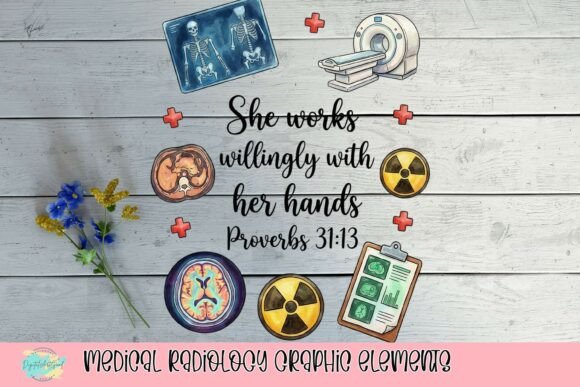
Medical Radiology Graphic Elements refer to a curated collection of illustrations, icons, and diagrams specifically designed to represent the field of diagnostic imaging. Unlike generic medical stock photos, these elements are tailored to depict specific modalities and workflows. A comprehensive set typically includes stylized representations of X-ray skeletons, CT scanners, MRI machines, radiation safety symbols, and clinical documentation tools like clipboards. When sourced as high-resolution PNG files with transparent backgrounds, these graphics offer unparalleled versatility for healthcare professionals seeking to elevate their educational materials, marketing collateral, and internal presentations.
Overcoming Visual Communication Challenges in Healthcare
Healthcare organizations face distinct challenges when trying to explain radiology services or educate audiences about diagnostic health. Understanding these pain points is the first step toward utilizing graphic elements effectively.
The Intimidation Factor
Diagnostic imaging equipment can be imposing. Large, noisy machines and clinical environments often induce anxiety in patients. Standard photographs of radiology departments can sometimes reinforce this sterility and fear. Colorful, approachable Medical Radiology Graphic Elements soften this image. By using illustrated vectors rather than stark photography, institutions can present radiology as a modern, safe, and patient-centered service rather than a frightening clinical ordeal.
Complexity of Anatomical Explanation
Explaining what a CT scan reveals versus a standard X-ray requires nuance. Verbal descriptions often fail to capture the difference in depth and detail. Without visual aids, patients may not understand why a specific test is necessary. Graphic elements that visually distinguish between skeletal views, cross-sectional scans, and soft tissue imaging help demystify the diagnostic process, leading to better informed consent and reduced patient apprehension.
Design Consistency Across Departments
Hospitals and clinics often suffer from fragmented branding. One department might use outdated clip art, while another uses expensive custom photography, resulting in a disjointed patient experience. Adopting a unified set of Medical Radiology Graphic Elements ensures visual consistency across brochures, websites, signage, and digital portals. This cohesion reinforces institutional professionalism and trust.
Practical Applications for Diverse Healthcare Stakeholders
The utility of these graphic assets extends far beyond simple decoration. Different users within the healthcare ecosystem leverage these elements to achieve specific outcomes.
Patient Education and Engagement
For patient-facing materials, the goal is reassurance and clarity. Brochures explaining pre-procedure preparations or post-scan expectations benefit immensely from friendly, colorful illustrations. For example, a pediatric radiology department might use stylized skeleton graphics to explain X-rays to children without causing fear. Similarly, waiting room posters featuring clear icons of radiation safety and scanning equipment can answer common questions passively, reducing the burden on front-desk staff.
Academic and Professional Training
Educators and trainers require precision. When teaching medical students or nursing staff about radiology workflows, realistic yet simplified graphics are superior to cluttered photographs. An illustration of a CT scanner can highlight specific components relevant to a lesson without the visual noise of a real-world machine. Furthermore, including clipboard and medical record icons helps contextualize the administrative side of radiology, emphasizing the importance of accurate charting and data management alongside clinical skills.
Digital Health and Web Design
Web designers and digital marketers need assets that load quickly and scale perfectly. The PNG format is particularly valuable here because it supports transparency. This allows Medical Radiology Graphic Elements to be layered over colored backgrounds, gradients, or other images without unsightly white boxes. Whether creating an infographic about cancer screening guidelines or designing a service page for an orthopedic clinic, transparent PNGs integrate seamlessly into responsive web layouts, maintaining visual integrity across mobile and desktop devices.
Strategic Implementation: Getting the Most from Your Assets
To maximize the return on investment when acquiring Medical Radiology Graphic Elements, consider the following implementation strategies.
- Prioritize Transparency and Resolution: Always select PNG formats with true alpha channel transparency. This ensures the graphics remain usable regardless of future rebranding efforts or background color changes. High resolution is equally critical; pixelated medical graphics undermine the perception of clinical precision.
- Maintain Anatomical Accuracy: While stylization is beneficial for approachability, accuracy cannot be sacrificed. Ensure that skeletal illustrations respect basic anatomy and that equipment depictions resemble current technology. Outdated or anatomically incorrect graphics can damage credibility with both medical peers and informed patients.
- Create a Visual Hierarchy: Use different elements to signify importance. Detailed scanner illustrations should anchor main sections, while smaller icons (like radiation symbols or file folders) work best as bullet points or navigational cues. This hierarchy guides the viewer’s eye and improves information retention.
- Balance Color with Professionalism: Colorful graphics are engaging, but they must align with healthcare standards. Opt for palettes that convey cleanliness and calm—blues, teals, and soft greens are industry standards for a reason. Avoid overly neon or aggressive colors unless specifically targeting a pediatric demographic.
Tailoring Visuals to Specific User Needs
Not all audiences interact with radiology content in the same way. Successful communication requires adapting the use of Medical Radiology Graphic Elements to the specific viewer.
For Patients: Focus on the outcome and the experience. Use graphics that show the patient journey, from check-in (clipboard icons) to the scan itself (friendly machine illustrations). Avoid overly graphic depictions of pathology unless necessary for specific educational purposes. The visual tone should be empathetic and reassuring.
For Referring Physicians: Focus on capability and technology. This audience responds to technical accuracy. Graphics should highlight advanced modalities, turnaround times, and integration with electronic health records. Here, the clipboard and medical record elements symbolize efficiency and reliable communication between departments.
For Administrative Leadership: Focus on workflow and compliance. When presenting proposals for new equipment or departmental restructuring, use clean, schematic-style graphics to illustrate spatial planning and operational flow. Radiation symbols and safety icons can visually reinforce compliance with regulatory standards, which is often a key concern for hospital administration.
The Impact of Quality Visual Representation
Investing in professional Medical Radiology Graphic Elements is ultimately an investment in health literacy and organizational reputation. In an era where patients increasingly research their care online before visiting a facility, the visual quality of your digital presence matters. Clear, attractive, and accurate graphics signal a commitment to patient-centered care.
Furthermore, these elements save time and resources. Instead of commissioning custom illustrations for every new brochure or hiring photographers for every website update, organizations can build a scalable library of assets that serve multiple purposes for years. The flexibility of transparent PNGs means a single graphic of a CT scanner can appear in a printed annual report, a digital newsletter, and a lobby display screen without modification.
Ultimately, radiology is about seeing clearly. By integrating thoughtful, well-designed graphic elements into your communication strategy, you ensure that your message is seen just as clearly as your diagnoses. Whether educating a nervous patient, training the next generation of technologists, or marketing specialized services, these visual tools transform complex medical realities into understandable, human-centric narratives. They are not merely decorative; they are functional components of effective modern healthcare delivery.